
The Democratic Party’s increasing efforts to reform the Supreme Court are shifting from criticizing specific decisions to proposing fundamental changes to how the Court operates. While changing the number of justices is within Congress’s historic authority, proposals to impose term limits and other reforms raise constitutional questions.
On July 22, Sen. Sheldon Whitehouse (D-R.I.) introduced the Supreme Court Biennial Appointments and Term Limits Act of 2026, which would set 18-year term limits for justices and require the President to appoint a new justice every two years, subject to Senate confirmation. The bill currently has 11 Democratic sponsors and cosponsors.
Whitehouse argues that the proposal is necessary because of the “constant and building dismay about the increasingly appalling record of the court.” Whitehouse is concerned about the “court’s misbehavior.”
House Democratic Leader Hakeem Jeffries has also embraced “dramatic Supreme Court reform,” stating on “Meet the Press” that Rep. Jamie Raskin of Maryland, the top Democrat on the House Judiciary Committee, would lead plans to restructure the court if the party wins control of the chamber in the midterm elections.
Jefferies has not endorsed any specific proposals, but he has expressed frustration with the Supreme Court’s decision on the Voting Rights Act, stating that “the Supreme Court gutted the Voting Rights Act in ways that do the bidding of extreme MAGA Republicans” and that it is “inconsistent with the law and with the Constitution.”
Essentially, because the Democrats dislike how the Supreme Court has voted recently, they are pushing to completely restructure it, with some proposals that are questionable under the Constitution.
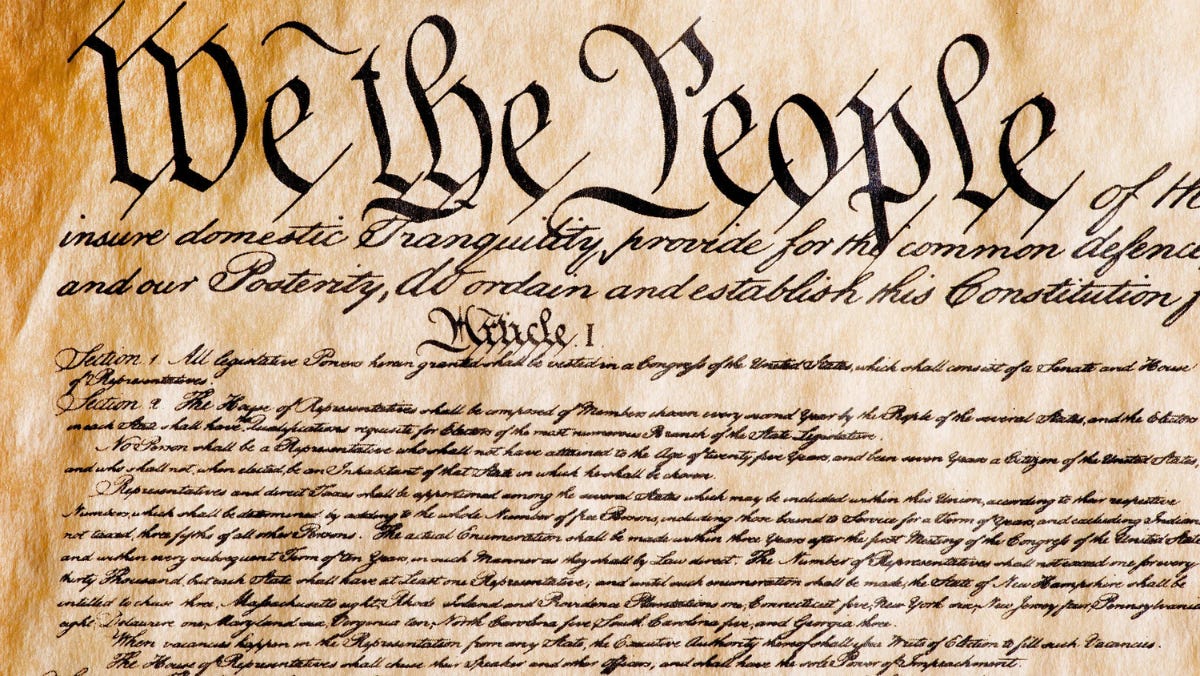
Article III of the US Constitution states that, “The Judges, both of the supreme and inferior Courts, shall hold their Offices during good Behavior.” Meaning that a President or Congress couldn’t remove them simply because they didn’t like their decisions. The Supreme Court has always understood this to mean lifetime terms, except for resignation, death, or impeachment, as stated by UScourts.gov.
The debate, therefore, is whether Congress can completely restructure a constitutional institution and what that would mean for America if it did.
How to Win 2026
The 2026 midterms could be a defining moment for America. Follow Newt Gingrich and Gingrich 360’s latest columns and analysis on the ideas, policies, and strategies Republicans need to win the big arguments, grow the American majority, and deliver real results for the American people.
You can manage your subscription preferences to choose the updates, newsletters, and alerts you want to receive on the website.


