

From Corruption to Honesty
The decay of simple, everyday honesty has achieved such momentum that the fabric of America is being undermined.
The decay of simple, everyday honesty has achieved such momentum that the fabric of America is being undermined.
The scale of the Minneapolis theft is stunning –a minimum of $1 billion stolen and a realistic possibility that the total will be $16 billion or more. It may be large enough to finally break through the news media and political establishment resistance to taking theft of our money seriously.
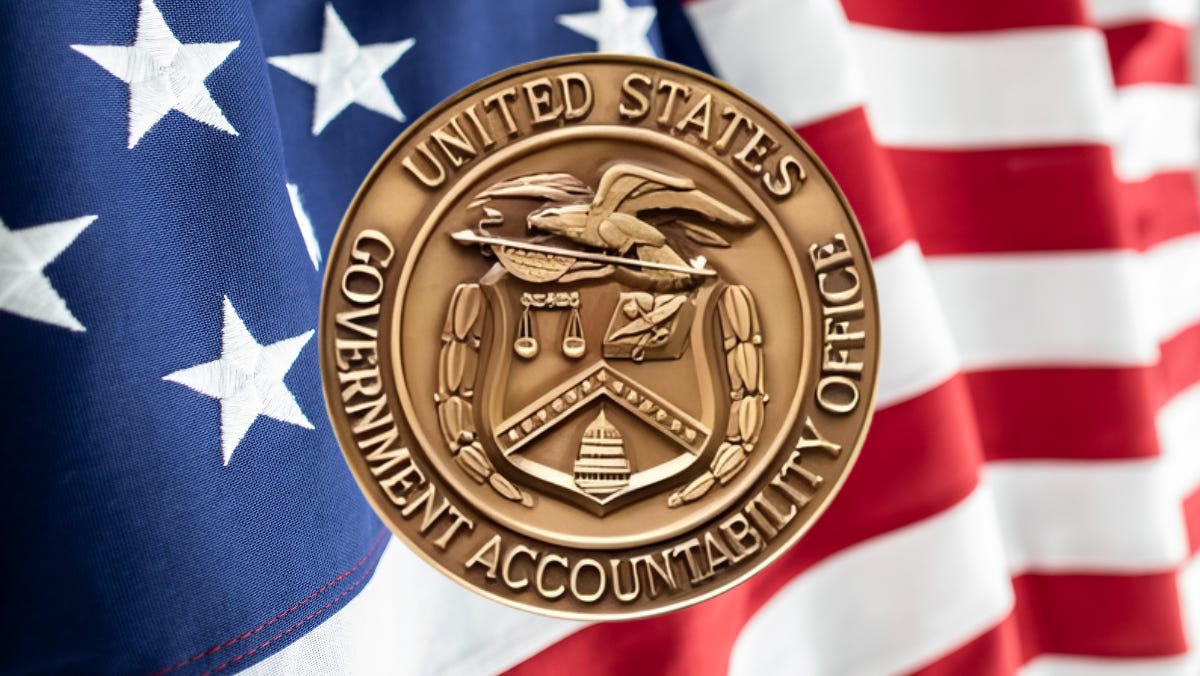
The Government Accountability Office has estimated that theft of the American people’s money may amount to $4 trillion to $5.2 trillion over the next decade.
This scale of dishonesty threatens the foundation of our free, self-governing society. As we celebrate our 250th anniversary, we must confront the enormous threat that large scale dishonesty poses.
There are at least four reasons we must confront the epidemic of theft, fraud, and dishonesty running through every level of federal, state, and local government.
First, the heart of a free society (and free market system) is the belief that people you are doing business with are honest. This isn’t just a matter of faith and innocence. We build systems to reinforce honesty and prevent (and punish) dishonesty. We believe if we pay the posted price for an Egg McMuffin, we will get an Egg McMuffin. Similarly, McDonald’s counts on your money or credit being real. The Founding Fathers asserted repeatedly that honesty and trust were central to the health, and survival, of our free society.
Second, the scale of theft, fraud, and corruption we are now experiencing is a genuine threat to every honest person. History tells us, going back to the Democratic Tammany Hall Machine in 19th Century New York, that when enough people are profiting from corruption, they squeeze out honest people and threaten them with violence if necessary. The bombing which killed the young girl in the opening of the movie “the Untouchables” is apocryphal – but relevant to the time. The federal government had to intervene against Al Capone and the mob because the city of Chicago – and even the state of Illinois – simply couldn’t stop the violence and corruption.
Similarly, one of the earliest policing actions leading to the development of the Federal Bureau of Investigation was captured in the book and movie “Killers of the Flower Moon.” A local sheriff and a group of powerful criminals were methodically killing Osage Native Americans to get their oil rights, which were worth millions. It took the outside intervention of J. Edgar Hoover and what would grow into the FBI to break open the case, stop the gang, and save the lives and oil rights of endangered Native Americans. If fraud persists and grows, it starts to steal from and threaten the innocent.
Third, systematic fraud on a large scale eliminates the need to provide goods and services for which people are paying. In the multi-billion-dollar Minneapolis scandal, families were falsely claiming their children were autistic to get state tax dollars – which were provided by law-abiding citizens. This is a good example of the damage corrupt behavior causes. The theft aside, imagine the impact of placing cognitively normal children into special needs programs and convincing them to lie – or that they have autism – in order to get money.
Similarly, Chris Papst’s “Failure Factory” exposed how the Baltimore City school system, one of the most expensive in the entire country, simply lies and cheats to keep getting money – even as it overwhelmingly fails to educate children.
Deep corruption makes getting away with failure the norm and achieving success the exception. It eventually undermines the entire society as we have seen in Venezuela, Somalia, and other deeply corrupt countries.
Fourth, and finally, there is a genuine economic cost for the corruption and fraud we are experiencing. As I mentioned, the GAO estimates fraud and corruption at the federal level will amount to $4 trillion to $5.2 trillion over the next decade. This is a warning about how much more in debt we will be because of corruption. It also highlights the massive number of people and activities which could be honest and contributing to a better economy and a higher standard of living – but are instead parasites draining energy and talent out of America.
The tide of fraud and corruption is now so large we must take extraordinary steps to stop it. We must turn the energy and creativity spent defrauding people and draining our country into honest activities that enrich our society.
This must become one of the major issues of the next few years. We must understand more about how big and destructive the corruption is – and how to reorient our society to maximize honesty and minimize corruption.

Listen to the latest episode of Newt’s World:
You can manage your subscription preferences to choose the updates, newsletters, and alerts you want to receive on the website.