

Red States Winning, Blue States Losing
As we enter the 2026 campaign, remember that Democrats in blue states are forcing people to leave.
Despite all the current anxieties about polling and the Republican Party, the long-term trend is clearly favoring Republicans and making the Democrats’ job more difficult.
The daily media and most analysts are trapped by two patterns that block them from seeing prevailing realities.
First, the modern media must fill every second with something new to keep people coming to their sites. Random events can dominate days of coverage simply because they happen. If you are a competitive news source, you have no choice but to run with the pack if you want to retain your audience.
Stories about the insane would-be shooter from California are good for days of coverage.
King Charles III visiting is good for almost a week of coverage.
Little known congressmen being investigated and possibly expelled can use up a day or two of coverage.
In this scattered focus on whatever is immediate, it is hard to think long term or with any sophisticated analysis.
Second, in addition to chasing the stories of the day at the expense of covering history, the news media and its analysts are hypnotized by presentism. This is what’s driving the Polaroid snapshot way in which most reporters, columnists, and analysts think about and report on what they have defined as the news.
We often think of presentism as applying today’s values to past figures, distorting or ignoring historic context. But it works to block thinking about the future, too.
On Dec. 7, 1941, the presentists of the day would say the United States lost to Japan at Pearl Harbor. However, Prime Minister Winston Churchill, steeped in history, said he slept well that night knowing that with the United States in the war, victory was inevitable even if it would take a while.
President Ronald Reagan had a vision of freedom prevailing and ending the Cold War. He went to Berlin in 1987 determined to say “Mr. Gorbachev, tear down this wall.” His wise, professional, presentist team unanimously opposed the line. The CIA predicted the Soviets would remain in East Germany for another generation and thought Reagan would look foolish. As late as the drive to the speech at the Brandenburg Gate, Reagan’s senior staff members were begging him to drop the line. Reagan knew that they had a presentist view of the immediate — but he also knew the tide of history was with him. He gave the speech, with the pivotal line included. Two years later, the wall came down.
In May 1988, then-Vice President George H.W. Bush was 19 points behind in the presidential polling. All the supposed experts and commentators believed Gov. Mike Dukakis was the inevitable next president after eight years of the Republicans in the White House. However, the Reagan-Bush team knew how to run aggressive, come from behind campaigns. They were not bound by presentism. Others focused on each day’s activities, but they focused on implementing a vision which could change everything by the election. Ultimately, they went from down 19 percent in May to up 8 percent on Election Day. The Bush campaign, combined with Gov. Dukakis’s mistakes, led every fourth American to switch his or her vote to the GOP.
The current presentist view is that the Republicans are inevitably heading toward loss of the House and possible loss of the Senate during the November midterm elections. The war in Iran, the price of gasoline, and the gridlock in the Congress are all presently weighing down the Republicans.
Having been through a lot of campaigns, I have a different view.
The long tide of history is running against the Democrats and the left. We know this from years of polling at America’s New Majority Project.
The Democratic Party is hostile to the American people and deaf to the complaints of their constituents. The Republican Party has some immediate challenges, but the Democrats are faced with a long-term tide of disaster.
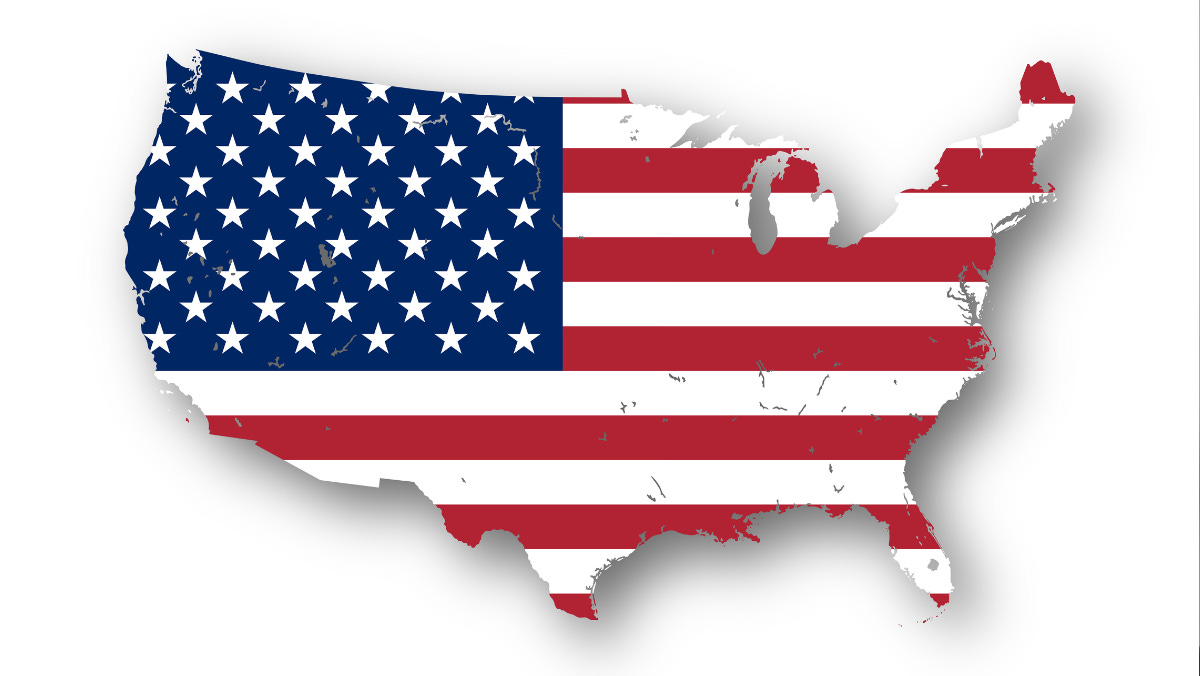
Start with population movements, which are a powerful indicator of what is working and what isn’t. The great bastions of blue state radicalism — California, New York, and Illinois — are all losing population. People are fleeing to lower-tax, conservative-values states. The next census will shift so many electoral college votes to red states that a Democratic Party victory in 2032 and beyond will become much harder to achieve. The shift of Americans from blue states to red states also will affect the number of House seats and make it much harder for Democrats to reach a majority.
The Democrats’ devotion to teachers unions, unionized bureaucracy, high taxes, and corrupt state governments is driving people to move away. This is increasing the Democrats’ isolation from the American people.
When President Trump said “these people are crazy” during his State of the Union Address, he was referring to the Democrats who refused to stand in favor of parents’ rights over their children with regard to leftwing transgender policies. He was hitting on a theme that more and more Americans understand.
The number of 70 percent to 20 percent — or even 85 percent to 15 percent — issues in which the Democrats reject majority positions and cling to hard left ideology is staggering. The latest proposal by Democratic frontrunner for Governor of California Tom Steyer is a perfect example. He wants to use taxpayers’ money to bring back all the illegal immigrants who Immigration and Customs Enforcement has deported. This is a deeply unpopular idea that verges on insanity.
As we enter the 2026 campaign, remember that Democrats in blue states are forcing people to leave. The entire Democratic Party is caught up in a series of ideological, values fights with the majority of the American people.
I suspect by Labor Day the presentists will be singing an entirely different tune.
Two Focus Groups, One National Survey and a Few Questions Only November Can Answer
America's New Majority Project combined two small focus groups with a national survey and found one dominant theme: the cost of living is overwhelmingly the top issue for voters. Many people spontaneously brought up finances first, and a majority feel their situation is getting worse.
There is also deep distrust in politicians, with many voters saying they won’t believe the economy is improving unless they personally feel it. Government is widely blamed for rising costs, and voters want real, visible results.
The most interesting divide:
Men want proof through action (e.g., legislation passed)
Women want proof they can feel (e.g., lower grocery bills)
Bottom line:
Voters agree on the problem (cost of living) and their skepticism, but they disagree on what proof of success looks like, which creates a major messaging challenge heading into the 2026 elections.


You can manage your subscription preferences to choose the updates, newsletters, and alerts you want to receive on the website.