

Respecting Your Enemies
We are a long way from this kind of strategic focus and yet it will be the key to an acceptable future.
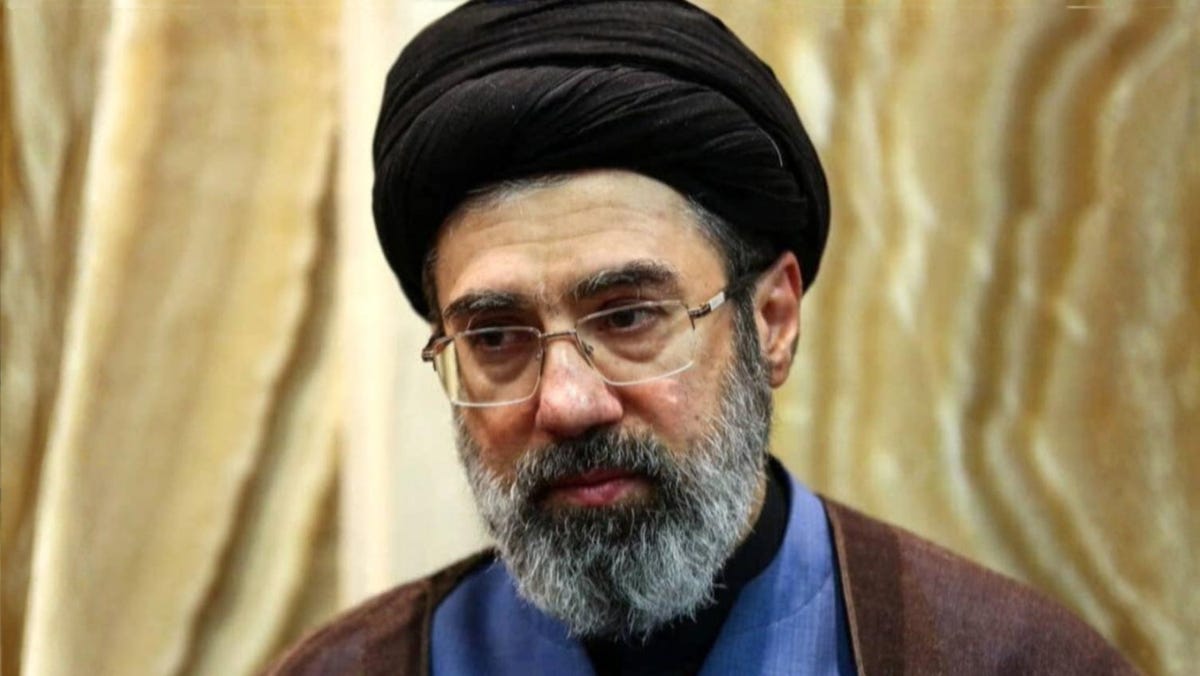
I have listened to many smart, well-educated people pontificate on the so-called practical options available to Hamas and the Iranian religious dictatorship.
The other day, I was startled to read that despite Israel’s overwhelming military power, Hamas still controlled one-third of Gaza. Furthermore, one of Hamas’s leaders said none of the terrorist organization’s goals had changed or were negotiable. When you remember that Hamas’s founding document pledges that not a single Jew will remain, the concept of a truce evaporates.
It hit me that a central problem of Western strategic planning is the refusal to respect our opponents.
We consistently translate whatever our opponents say into something we can somehow work with and find a mutually acceptable compromise.
Ask yourself these two questions:
First, if the Iranian religious dictatorship and its adherents have said consistently for 47 years “death to America,” is it possible they mean it?
Second, if Hamas has said consistently since its founding “not a single Jew will remain,” is it possible that the group’s goal is to kill or expel every Jew — man, woman, and child — in the contested area, which includes all of Israel?
This problem of truly listening to and understanding your opponent is a major premise of Sun Tzu’s “The Art of War.” He asserted that if you know your enemy, you have won half the battle.
David Halberstam’s remarkable 1972 book, “The Best and the Brightest” drives home the reality that the John F. Kennedy-Lindon B. Johnson team of brilliant, superbly educated people simply could not grasp how deeply determined Ho Chi Minh and his followers were to win in Vietnam — despite immense death, destruction, and suffering.
The French reporter and analyst Bernard Fall made it clear that Ho had actually read a biography of George Washington in the 1930s. Ho concluded that a long War of attrition and endurance would work first against the French and then the Americans.
Anyone who studied Ho’s life (and Fall’s extraordinary coverage of the French defeat) would have cautioned that only total war threatening to crush the North had any hope of winning.
My dad served 26 years in the infantry, including during World War II, Korea, and Vietnam. He thought highly of Jean Lartéguy’s two classic novels “The Centurions” and “the Praetorians.” Lartéguy captured brilliantly the French failures in Vietnam and Algeria. Essentially, he argued that the West had no doctrine capable of defeating the combined nationalist-communist synthesis that was winning in the third world.
My dad thought Lartéguy had a profound insight into the values and commitment that our Western elites seemed incapable of understanding or defeating.
As President Donald J. Trump likes to say, we have the finest most effective tactical military in history. The recent real-time improvisation to rescue two airmen in Iran was an extraordinary achievement.
Unfortunately, tactical brilliance by itself does not win wars.
Strategic planning would begin with the end state we want to achieve. “The Art of War” emphasized that the goal is to win — not to fight. Sun wrote that the greatest generals win bloodless victories by out-thinking their opponents, not by outfighting them.
In “On War,” Carl von Clausewitz drove home that war is an extension of politics and must be designed to achieve an acceptable outcome.
If, as I suspect will happen, neither Hamas nor the Iranian dictatorship agree to terms that we can accept, we need a war-winning strategy for each — not an application of military violence as an end in itself.
We are a long way from this kind of strategic focus and yet it will be the key to an acceptable future.
It starts by respecting your opponents.


You can manage your subscription preferences to choose the updates, newsletters, and alerts you want to receive on the website.
We have a tremendous opportunity here to aid the Iranian people in their struggle for freedom. The intransigence of the negotiators, who continue to believe they’re in charge -without army, navy, or military, must be used to equip the people with the tools to overthrow their oppressors, who surely fear the people more than they fear us. After all, the people know where their oppressors live, and if given the right equipment, I’m sure they’re up for payback. Let the people return themselves to power, not us.