




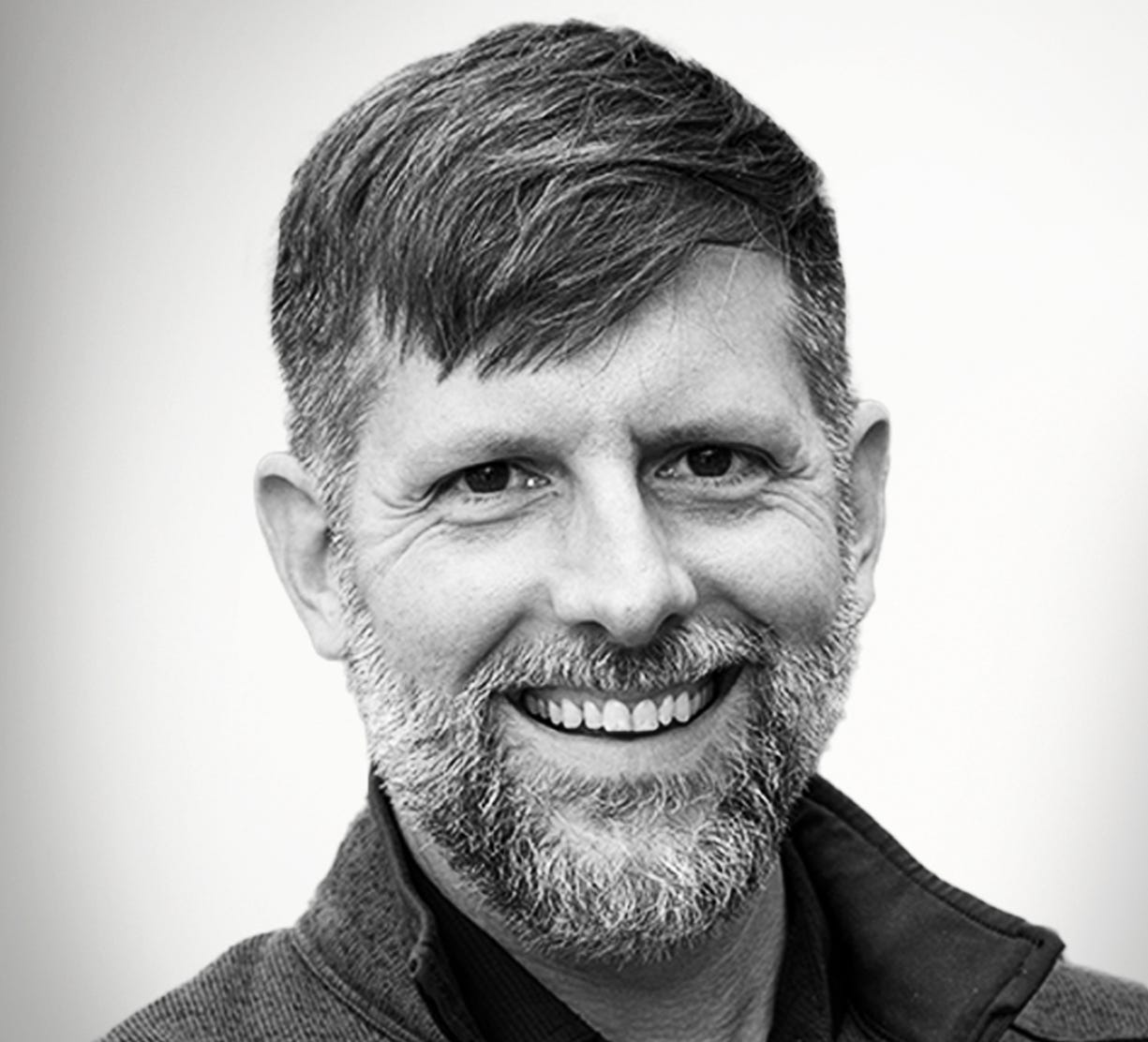
Artificial intelligence is rapidly becoming one of the most important strategic technologies of the 21st century. On this episode of Newt’s World, Newt Gingrich sits down with Neil Chilson, Head of AI Policy at the Abundance Institute and former Chief Technologist at the Federal Trade Commission, to examine the growing debate over who controls AI, how it should be used by the military, and what it means for America’s future. Their conversation explores the recent tensions between Anthropic and the Pentagon, the competitive landscape among major AI companies, and the challenges of balancing innovation, security, and democratic accountability.
The discussion also turns to the broader global implications of artificial intelligence. Chilson explains how China is pursuing a different AI strategy focused on widespread adoption and implementation, while the United States continues to lead in developing frontier models. They examine concerns surrounding export controls, the risk of government surveillance, and Pope Leo’s recent encyclical on AI. Throughout the conversation, both Gingrich and Chilson emphasize the importance of maintaining America’s culture of innovation, reducing regulatory barriers, and ensuring AI serves human flourishing rather than centralized control.
Listen to their conversation below, or scroll down for an edited transcript.
Edited Transcript
This conversation has been condensed and lightly edited for clarity.
Newt Gingrich:
One of the biggest AI stories this year has been the conflict between Anthropic and the Pentagon. At its core, what is this fight really about?
Neil Chilson:
At its core, it’s about who controls how new AI technology is used by the government, particularly the military. Anthropic and the Department of Defense disagreed over contract terms and operational control. The concern from the military’s perspective was whether a company could potentially interrupt AI services during critical operations. The debate became public and escalated quickly, but both sides have continued working toward solutions that protect military readiness while addressing company concerns.
Newt Gingrich:
Are there other industries where corporations assert the right to approve or disapprove government use of their products?
Neil Chilson:
Companies can always choose not to sell to the government. What’s unique about AI is that these systems are often ongoing services rather than products that are simply delivered. That creates concerns about operational dependence. The military doesn’t want to be in a position where access to critical technology could be disrupted during an operation.
Newt Gingrich:
Do you think Secretary Hegseth can achieve his goal of reducing company-specific guardrails on military AI systems?
Neil Chilson:
I think so. Many of the restrictions people associate with consumer AI products are already significantly reduced in government applications. The military wants operational independence and reliability. Given the number of companies competing in this space, I think the Pentagon will be able to negotiate arrangements that meet its needs.
Newt Gingrich:
There seems to be a broader question about who should make military decisions. Should that authority ever reside with technology companies?
Neil Chilson:
No. The responsibility for military decisions belongs to democratically accountable government institutions. Companies don’t have that same accountability. They can provide tools, but decisions about the use of force must remain with elected leaders and military officials.
Newt Gingrich:
OpenAI secured a major Pentagon contract after Anthropic’s dispute became public. Does Anthropic lose economically from this?
Neil Chilson:
Not necessarily. Government contracts remain a relatively small portion of the overall AI market. Anthropic continues to pursue government opportunities and has generated significant interest. The larger story is that America now has multiple world-class AI companies competing to provide advanced capabilities.
Newt Gingrich:
Some people compare today’s AI investment boom to the dot-com bubble. Is that a fair comparison?
Neil Chilson:
I don’t think so. Unlike many internet companies in the late 1990s, today’s AI firms are generating substantial revenue and seeing extraordinary demand. Much of the investment is going into infrastructure such as data centers and energy production. These companies are scaling rapidly because customers are actively adopting their products.
Newt Gingrich:
What differentiates companies like Anthropic, OpenAI, and Google?
Neil Chilson:
The underlying AI models are increasingly comparable. The difference lies in the products built around them. OpenAI focuses heavily on consumers through ChatGPT. Anthropic has concentrated on business tools, particularly coding and workplace productivity. Google is integrating AI into its existing search and ecosystem products. Their business strategies differ more than the core technology itself.
Newt Gingrich:
You recently warned that proposed AI export restrictions could ultimately strengthen China. Why?
Neil Chilson:
The concern is that aggressive export controls encourage China to build an entirely independent AI supply chain. While restrictions may slow them in the short term, they also create incentives for China to develop domestic alternatives and eventually export those technologies globally.
Newt Gingrich:
How would you compare China’s AI development with America’s?
Neil Chilson:
China is taking a different approach. The United States is focused on developing the most advanced frontier models. China is focused on building “good enough” models and deploying them at scale. They’re emphasizing adoption, implementation, and economic integration. That strategy carries significant advantages.
Newt Gingrich:
Is there a risk China could eventually leapfrog the United States?
Neil Chilson:
There’s certainly a risk that China could integrate AI into its economy faster than we do. I still believe America will lead in cutting-edge models for the foreseeable future, but China’s focus on deployment and practical use cases is something we need to take seriously.
Newt Gingrich:
Pope Leo recently issued a lengthy encyclical on artificial intelligence. What was your reaction?
Neil Chilson:
I found it thoughtful and important. The Pope emphasizes that technology should advance human flourishing, which is exactly the right framework. At the same time, we’re still very early in the AI revolution. We don’t yet fully understand all of the benefits and risks, so this conversation will continue to evolve.
Newt Gingrich:
One thing I noticed was relatively little discussion about government misuse of AI.
Neil Chilson:
I had the same reaction. One of the biggest concerns is the use of AI for surveillance and social control. That’s particularly relevant when looking at countries like China. Those questions raise serious moral and ethical issues that deserve greater attention.
Newt Gingrich:
As AI evolves, are we entering a world we fundamentally don’t understand?
Neil Chilson:
In some ways, yes. These systems are less like traditional software and more like complex biological systems. They don’t always behave in predictable ways. But we’ve dealt with complex systems before in biology, economics, and society. AI introduces new challenges, but it also offers extraordinary opportunities.
Newt Gingrich:
What must America do to remain the global leader in artificial intelligence?
Neil Chilson:
Our biggest challenge isn’t talent or resources. It’s self-imposed barriers. We need to build more energy infrastructure, reduce unnecessary regulations, and regain a culture of optimism and innovation. America still has extraordinary entrepreneurial talent. We simply need to create an environment where that talent can thrive.
Newt Gingrich:
If we can recapture that spirit of building and innovation, America can remain the world’s leader.
Neil Chilson:
I believe that’s exactly right.
About the Guest
Neil Chilson is the Head of AI Policy at the Abundance Institute. As a lawyer and computer scientist, Chilson authored “Getting Out of Control: Emergent Leadership in a Complex World,” exploring novel leadership paradigms. His career includes tenure as a Senior Research Fellow at the Center for Growth and Opportunity and at Stand Together, focusing on technology and innovation, where he spearheaded initiatives to foster legal and cultural frameworks conducive to innovation.
Before his role at Stand Together, he was the Chief Technologist at the Federal Trade Commission, concentrating on privacy economics and blockchain technologies, and served as an attorney advisor to Acting FTC Chairman Maureen K. Ohlhausen. Chilson’s insights have been widely quoted in major media outlets like The Wall Street Journal, The Washington Post, and Newsweek. He holds a JD from The George Washington Law School, an MS in computer science from the University of Illinois, Urbana-Champaign, and a BS in computer science from Harding University.
You can manage your subscription preferences to choose the updates, newsletters, and alerts you want to receive on the website.


